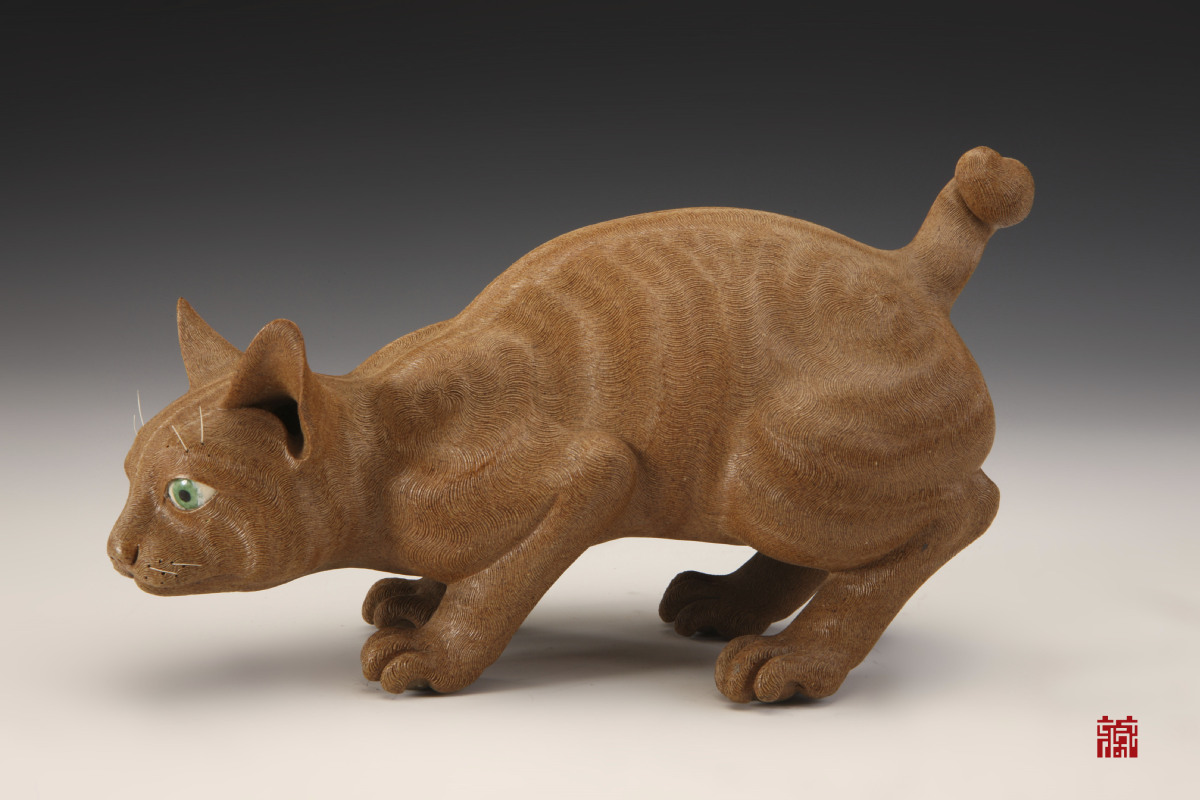
Shiwan Ceramic Sculpture
Introduction
Shiwan ceramic sculpture is a renowned traditional ceramic art originating from Shiwan town in Foshan, Guangdong province, China. With a history spanning over 500 years, this art form is celebrated for its intricate craftsmanship, vivid expressions, and vibrant glazes, making it an important representation of China's intangible cultural heritage.
History
Shiwan ceramic art traces its roots to the Tang Dynasty (618–907), but it gained prominence during the Ming Dynasty (1368–1644) when Shiwan became a significant pottery production hub. Initially focused on creating utilitarian items like tiles, pots, and jars, Shiwan ceramics evolved into more sophisticated artistic forms, particularly during the Qing Dynasty (1644–1912). Artisans began crafting lifelike figurines and decorative sculptures, drawing inspiration from Chinese mythology, folklore, and everyday life.
Key Characteristics
Material:
Shiwan ceramics are made from locally sourced clay rich in iron and minerals, giving the sculptures durability and a distinctive texture.
Themes:
Common themes include:
Mythological Figures: Sculptures of deities such as Guanyin (the Goddess of Mercy) and Zhong Kui (a demon queller).
Historical Characters: Figures from Chinese history and literature.
Scenes of Daily Life: Depictions of farmers, fishermen, and traditional village activities.
Techniques:
Hand-Sculpting: Each piece is meticulously crafted by hand, showcasing the artisan’s skill in achieving intricate details and lifelike expressions.
Glazing: The use of vibrant, glossy glazes is a hallmark of Shiwan ceramics, enhancing the aesthetic appeal and depth of each piece.
Kiln Firing: High-temperature firing solidifies the sculptures and ensures the longevity of their colors and textures.
Cultural and Artistic Significance
Shiwan ceramic sculpture is not only a form of artistic expression but also a reflection of Chinese cultural values and traditions. The sculptures often carry symbolic meanings, such as prosperity, protection, and harmony, making them popular in both religious and domestic settings.
Artisans in Shiwan are known for their creativity, blending traditional techniques with innovative designs. This adaptability has allowed Shiwan ceramic art to thrive and remain relevant in modern times.
Modern Development and Recognition
In the 20th and 21st centuries, Shiwan ceramic sculpture has gained international recognition. Artists have expanded their repertoire to include contemporary themes while preserving traditional craftsmanship. Shiwan town has also established itself as a cultural and tourist destination, hosting exhibitions and workshops to promote this heritage.
Shiwan ceramic sculpture was officially listed as part of China’s National Intangible Cultural Heritage in 2006. It continues to be a source of pride for the people of Foshan and a symbol of Guangdong’s artistic legacy. Photo Gallery(8 pictures)CategoriesCultural HeritageTagChinese CeramicsChinese SculptureIntangible Cultural HeritageCatalogue1. Introduction2. History 3. Key Characteristics4. Cultural and Artistic Significance5. Modern Development and Recognition- - - []








